
About Baker College
Baker College, a four year, private not-for-profit, prepares students for competency in several professional avenues, promoting both personal, academic, and occupational growth. BC’s quality academic programs are focused on student outcomes, making curriculums accessible and challenging.
Associate’s, bachelor’s, master’s and doctoral degrees are available to BC students. Baker Online is an ideal way to earn one of these degrees for those with too busy a schedule for on-campus life. Earn your degree in healthcare, education, business, computer science and more through the accessibility of Baker Online.
BC to BO:
- 100% online
- Not self-paced, specific start and end dates
- 24/7 access to coursework
- Virtual classroom for interactive environment
Read More ↓ Show Less ↑
Accreditation & Licensing
Baker College is accredited by:
Higher Learning Commission (HLC)
Type:
4-year, Private not-for-profitHighest Level Offered:
Doctor's degreeReligious Affiliation:
Not applicableGraduate Enrollment:
391Fully Online Graduate Students:
93%Median Debt After Graduation (4-Year Degree):
$25,000Average Undergraduates Receiving Aid:
74%Per Undergraduate Average Aid Award:
$5,871Yellow Ribbon Program:
YesCredit for Military Training:
YesBaker College helps working adults keep moving toward a degree. Its online format supports full-time study, even with work and family duties. Some students carry about 16 credits in a term. That pace can help you finish sooner instead of stretching school over more terms.
Cost is still an important part of the experience. Tuition can feel high, and payment dates are firm. Transfer steps can also take time. Older transcripts may need to be sent again, which can delay credit review between terms.
Baker College gives students steady support from start to finish. Professors and advisers help students stay on track through each term. Instructor feedback is clear and useful, so students can improve their work in real ways, not just fix small errors.
Some office and planning tasks can feel uneven. A few students had to send older transcripts again, and cost guidance sometimes focused mostly on loans. Office hours also did not always match working adults’ schedules. Even so, classroom help remained strong and dependable.
Baker College online classes run in an asynchronous format. Online tests are part of the structure. This gives schedule flexibility for work and family. The pace still stays active each week.
Discussion boards are required in every class. Posts are meaningful and happen several days weekly. Students also write thorough replies to at least two classmates. Instructor office hours can conflict with workday schedules, so live support timing may feel tighter than course access.
Baker College offers active online classes, not passive ones. Each week includes discussion posts and peer replies. Regular quizzes and tests keep students on track through the term. Class sizes feel manageable, which helps classes stay personal and focused.
Teaching is a clear strength. Instructors are knowledgeable, and lessons are easy to follow. Many students praise the quality of their professors. The weekly pace works well for adults who want steady progress. Cost and school paperwork can still feel challenging at times.
Baker College has a clear academic upside. Professors are a standout strength. Classes stay active each week. Discussion posts and peer replies are routine.
Online tests keep the pace steady. The online format fits busy adult schedules. Asynchronous access supports work and family demands. Some students carry full-time loads, including 16 credits.
Advisers and professors provide useful guidance during coursework. The pressure points are mostly outside class. Cost can feel heavy over time. Payment timing is strict.
Transcript re-submission can slow progress. Office-hour timing may clash with work schedules.
Baker College has a clear academic upside. Professors are a standout strength. Classes stay active each week. Discussion posts and peer replies are routine.
Online tests keep the pace steady. The online format fits busy adult schedules. Asynchronous access supports work and family demands. Some students carry full-time loads, including 16 credits.
Advisers and professors provide useful guidance during coursework. The pressure points are mostly outside class. Cost can feel heavy over time. Payment timing is strict.
Transcript re-submission can slow progress. Office-hour timing may clash with work schedules.

Online Programs offered by Baker College
All Programs

Business
Computer Science & IT

Criminal Justice, Safety & Law
Healthcare
Nursing
Psychology & Human Services
Filters
Frequently Asked Questions About Baker College
Is Baker College accredited?
Yes. Baker College is institutionally accredited by Higher Learning Commission.
How many online programs does Baker College offer?
Baker College offers 36 online programs currently listed on GetEducated.
What degree levels does Baker College offer?
Baker College offers programs from associate and bachelor's through master's and doctoral levels.
How should students contact admissions at Baker College?
Ready to connect? Check Admission Details to get admissions, tuition, and timeline details directly from the school.
Is Baker College expensive, and what are the tuition costs?
Roughly speaking, Baker College falls into GetEducated’s $$$ tuition tier, which points to a higher tuition range.
How quickly can I enroll at Baker College?
Enrollment at any school can be a quick process; if all required admission requirements are met. This is where students can get hung up and slow down the process by taking too long to gather required documentation.
What should transfer students ask Baker College first?
The first thing you must do is order your transcripts from any previous school you attended and have them provided to the new school immediately with the hopes of receiving an unofficial transfer credit evaluation quickly. In an ideal world, students would have an official transfer credit evaluation done prior to committing to enrollment at any school; however with the vast majority of schools, official transfer credit evaluations happen after you are already enrolled, typically in the first semester.
What GPA do most Baker College programs require?
Most listed programs require at least a 2.5 GPA, with requirements generally ranging from 2.5 to 3.2.
Is Baker College military friendly?
Baker College shows Yellow Ribbon support. Check Yellow Ribbon eligibility before you apply, since program-level benefits can vary.
How can students request information from Baker College through GetEducated?
Comparing schools right now? Request Information to get admissions, tuition, and start-date details sent directly to you.
What documents are most commonly required for Baker College applications?
Most listed programs ask for Official High School Transcript/GED Score, Official College Transcript(s), Resume/CV, and Essay/Writing Sample. Getting these ready early can keep the application process moving.
Does Baker College accept life experience credit?
Baker College accepts life experience credit, but qualifying can be harder than expected and fees may still apply. Check Transfer Options to confirm what applies to your program.
Are Baker College programs fully online or mixed?
Baker College programs are primarily listed as 100% Online, which can help students screen for schedule fit before applying.
What kinds of online programs does Baker College offer?
Baker College has online program options in areas such as Business, Computer Science & IT, Criminal Justice, Safety & Law, and Healthcare; start with the field that best matches your career goal, then compare cost, format, and admissions requirements. Compare Programs to get program, admissions, and cost details before applying.
Do any Baker College programs have specialized accreditation?
Program-specific accreditors include International Accreditation Council for Business Education (IACBE); Commission on Collegiate Nursing Education (CCNE).
Are any admission tests required for Baker College programs?
One recurring admissions-test item is ACT/SAT, COMPASS. Students should confirm whether it applies to their specific program.
Do in-state and out-of-state tuition totals differ at Baker College?
For programs with both totals published, in-state and out-of-state tuition totals are typically the same.
Do any Baker College programs have state authorization limitations?
State authorization restrictions are not prominent across available programs, but students should still confirm eligibility for their state. Check State Eligibility before applying to confirm whether your program is available where you live.
How often can students start at Baker College?
Start times per year typically range from 3-6 for most schools. For Baker College, students should confirm the next available start date for their specific program before applying.
How should working adults compare Baker College programs?
Working adults should compare program format, pacing, total cost, and application requirements before choosing a path.
Featured Ranking Reports
Baker College is featured in 30 of our ranking reports!
GetEducated continually compiles custom ranking reports to give you a complete snapshot of schools, degrees, tuition, and a detailed report on thousands of job categories throughout the entire education industry.
We provide these comprehensive ranking reports to you, for free. Click on any report below to learn more about how we ranked this school.























Geographic and Educational Overview
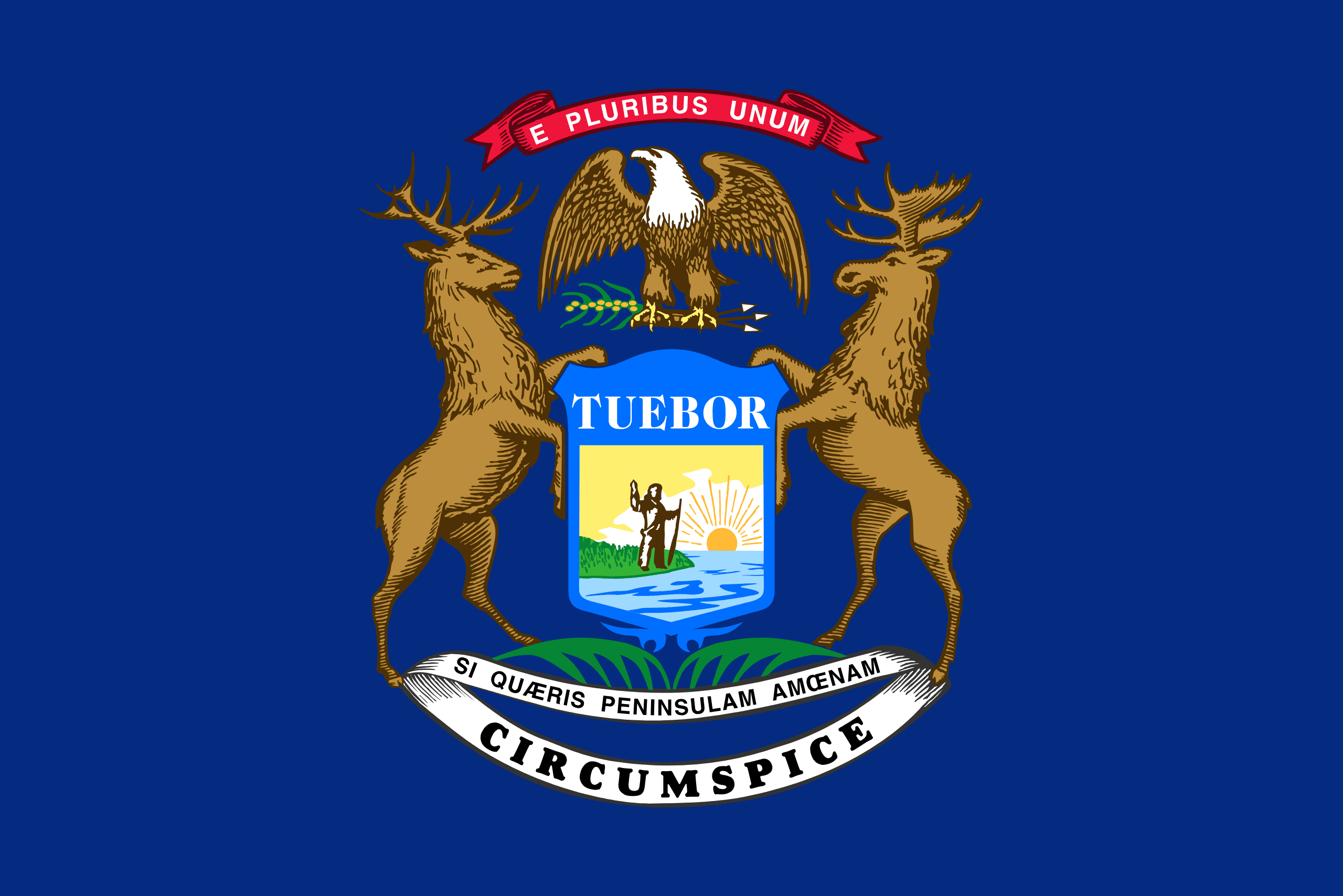
Baker College is located in Michigan
Michigan at a Glance:
Top Majors in Michigan:
Top Incentives in Michigan:
- Michigan Tuition Grant: Up to $3,000 annually
- Michigan Competitive Scholarship: Up to $1,500 annually
- Futures for Frontliners: Free tuition at community colleges
Top Career Pathways in Michigan:
- Entry Level: Process Engineer ($70,000)
- Mid Level: Senior Engineer ($105,000)
- Senior Level: Engineering Director ($160,000+)
- Required Education: BS Engineering
- Certifications: PE, Six Sigma, ASE
- Entry Level: Software Engineer ($75,000)
- Mid Level: Senior Developer ($115,000)
- Senior Level: Technical Director ($155,000+)
- Required Education: BS Computer Science
- Certifications: AWS, Azure, Security+
- Entry Level: Logistics Coordinator ($58,000)
- Mid Level: Supply Chain Manager ($95,000)
- Senior Level: Operations Director ($145,000+)
- Required Education: BS Supply Chain Management
- Certifications: APICS, CSCP, PMP