

Your job target matters more than the label on an online history degree. If you want museum, preservation, public history, government research, or business work, online history bachelor’s careers can make sense—but you’ll need research, writing, and field-relevant skills to show employers. Compare online history bachelor’s programs by curriculum, not title alone.
Key Takeaways
- Museum technician, collections, interpretation, preservation, and entry-level research roles offer the clearest links to history training.
- Historian, archivist, curator, and conservator positions often require graduate education, especially beyond entry level.
- A useful program should produce work samples that show research, source review, clear writing, and sound judgment.
Those paths don’t require the same preparation. Museum, collections, preservation, and entry-level research work connect more directly to undergraduate history training, while historian, archivist, curator, and conservator roles may require graduate education as you move beyond entry level. That difference matters if you’re comparing a degree as a first step toward a role rather than as a complete job credential.
The degree is not a job credential with one fixed outcome. Its value depends on the courses, work samples, technical skills, and experience you add. A transcript can show what you studied, but a research brief, source review, or clearly written project can show how you work with evidence and explain it. Review jobs for liberal arts majors to see how employers use research and communication skills across fields, then test each program against the work you want.
Where Online History Bachelor’s Careers Actually Lead
The closest career matches preserve, explain, organize, or study the past. O*NET lists titles such as collections specialist, historic preservation coordinator, historic sites registrar, historical interpreter, and research historian. These titles are more useful than a broad promise that history graduates can work anywhere because they show what employers may call the work. They also point to different kinds of daily responsibilities: collections and registrar roles emphasize organization and records, while interpretation and research center more on explaining or investigating historical material. That distinction matters when you’re comparing a degree’s likely work environment with your own interests.
Museum technician is one of the clearer bachelor-level options. The Bureau of Labor Statistics reports that museum technicians typically need a bachelor’s degree and identifies history as a relevant field. The occupation had 2025 median pay of $60,330 and projected growth of 4% from 2025–35. Duties can involve caring for objects, maintaining records, and supporting collections work. The pay figure is a useful occupation-wide benchmark, not a promise of what a new graduate will earn. More importantly, the duties show that this path is hands-on and detail-heavy; a history degree may lead to museum work, but the job itself is not mainly classroom teaching or independent historical writing.
| Career Direction | Bachelor’s-Level Fit | What to Build During College |
|---|---|---|
| Museum technician | A typical entry requirement | Collections knowledge, careful records, and relevant experience |
| Collections specialist or historic sites registrar | Requirements vary by employer | Research samples, organized records, and database experience |
| Historical interpreter or preservation coordinator | Possible when the posting accepts a bachelor’s degree | Public writing, local research, presentations, and field experience |
| Entry-level historian | Available in some settings, but many historian jobs require more education | Advanced research, source analysis, and a strong writing sample |
The Bureau of Labor Statistics says historians work in museums, archives, historical societies, and research organizations. It also notes that some entry-level positions accept a bachelor’s degree in history. That leaves a real difference between the degree’s subject matter and the credentials a particular historian role may expect, so read the position requirements rather than assuming the job title tells you everything. Search the broader online history degree directory to compare bachelor’s programs with later graduate options, especially if research-focused work is the goal.
Which Roles Stop at a Bachelor’s and Which Demand Graduate School?
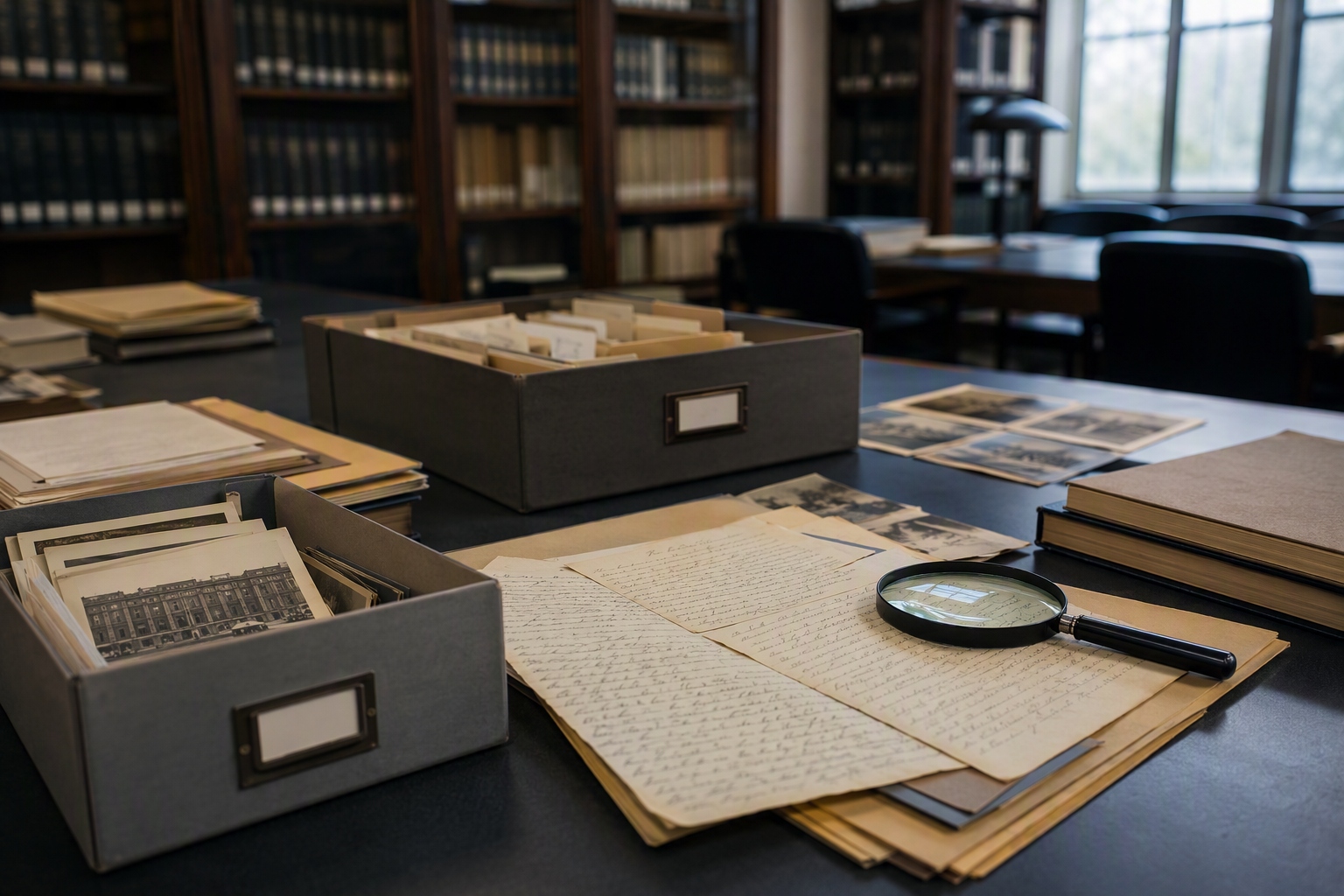
The word historian creates a common trap. A history bachelor’s can support entry-level research work, but the Bureau of Labor Statistics says historians typically need at least a master’s degree. The occupation’s 2025 median pay was $76,750, with 3% projected growth from 2025 to 2035 and about 300 openings per year. Those figures describe the occupation, not an automatic outcome for history graduates, so they shouldn’t be treated as a forecast for what your bachelor’s alone will deliver.
Museum careers also split by education level. According to the Bureau of Labor Statistics, museum technicians typically enter with a bachelor’s degree, while archivists, curators, and conservators typically need a master’s degree. A job title that sounds similar may therefore carry a different education requirement. That difference matters before you commit time and tuition: the same broad interest in preserving or interpreting history can lead to an undergraduate-entry role or a path where graduate study is part of the expected preparation.
- Good bachelor’s targets: museum technician and postings for collections, interpretation, preservation, or research support that accept undergraduate education.
- Likely graduate-school targets: historian, archivist, curator, and conservator positions that state a master’s requirement.
- Read each posting: employers may separate assistant or technician work from professional staff roles.
Pay close attention to the wording of postings rather than grouping jobs by subject area. “Research support” and “collections” may point toward work you can pursue after the bachelor’s, while a posting that explicitly requires a master’s places graduate school on the route to that role. Assistant, technician, coordinator, interpreter, and registrar titles can also help you compare the level of work employers are describing, but the stated education requirement remains the deciding detail.
This distinction should shape your enrollment decision. If you want a job that normally requires graduate study, treat the bachelor’s as the first stage rather than the final credential, and account for that additional stage when you weigh the path. If you want to enter the field sooner, search for technician, assistant, coordinator, interpreter, or registrar titles and compare their stated requirements. The useful question isn’t whether a history degree can lead to museum or research work; it’s which role you’re preparing to qualify for.
Compare Programs by the Career Evidence They Help You Build
A history degree can build useful abilities, but employers still need to see how you apply them. O*NET identifies communication, complex problem solving, time management, judgment and decision making, and systems analysis as skills used across occupations. The strongest evidence comes from assignments that leave you with something to show: research papers, exhibits, digital projects, presentations, or organized source files. Those projects can help translate classroom work into material you can discuss in an interview or include in a portfolio.
Program titles can signal where that evidence may come from. American Public University System offers both the Bachelor of Arts in History and Bachelor of Arts in Military History, while King University offers the Bachelor of Science in History. Eastern Oregon University lists the Bachelor of Arts / Bachelor of Science in History. A specialized title may suggest a more focused course plan, but the title cannot tell you whether students complete the kind of work employers can evaluate. Read the course list, then look for major assignments, project-based courses, and opportunities to work with sources or public-facing content.
GetEducated's Picks
- King University Bachelor of Science in History
- Eastern Oregon University Bachelor of Arts / Bachelor of Science in History
- Southwest Minnesota State University Bachelor of Arts in History
That distinction matters for career changers. A program built mostly around broad survey courses may give you historical knowledge without producing much shareable work. A plan that includes research, presentation, digital, or collections-related assignments gives you clearer material for explaining what you can do. Neither approach guarantees a job, but they make different cases to an employer, and the difference is visible in the curriculum rather than the degree title.
Cost still matters because an uncertain career plan does not justify avoidable debt. It lists Eastern Oregon University’s Bachelor of Arts / Bachelor of Science in History at $30,590 and American Public University System’s Bachelor of Arts in History at $34,500 (In-State/Out-of-State) / $30,100 (Military). Those totals should be weighed against the work you will complete, the skills you need to demonstrate, and the career direction you are pursuing. A lower price is useful only if the program also helps you build credible evidence; a higher price needs a clear reason beyond the label on the diploma.
Before applying, find out what you would leave the program able to show employers. Useful items may include:
- A research paper based on primary and secondary sources
- A public-facing article, exhibit plan, or presentation
- Experience with collections records or research databases
- An internship, volunteer role, or project tied to museums, archives, government, or preservation
Ask the program whether these experiences are built into required courses or depend on electives, optional projects, or an outside placement. That policy changes how predictable your portfolio will be and whether the program fits your schedule. Adults moving into a new field can also review liberal arts career-change strategies before deciding whether a general history degree or a more specialized course plan will make the stronger case to employers.
Who Should Choose History—and Who Should Walk Away?
A history bachelor’s may fit if your target job rewards research, evidence review, careful writing, and the ability to explain complex events. It is a stronger choice when you can name several job titles, find employers that use those titles, and identify the work samples or experience they request. Southwest Minnesota State University’s Bachelor of Arts in History and Grand Canyon University’s Bachelor of Arts in History are examples of general history degrees that require this kind of career planning from the student. That flexibility can be useful if your interests span research, communications, public service, or education, but it also shifts more responsibility to you. You’ll need to connect individual courses and assignments to the requirements employers actually publish, rather than assuming the degree title will make that connection for you.
Walk away from the degree if your intended occupation clearly requires another credential and you do not want further study. The National Archives provides a useful warning: one Archivist Development Program position required a master’s degree or two full years of progressively higher-level graduate education. A bachelor’s can prepare you for later study, but it does not erase a stated graduate requirement. That distinction matters before you commit: if the graduate credential is part of the career path, include its cost, admissions requirements, and time in your plan instead of treating the bachelor’s as the finish line.
Find Your Online Art & Liberal Arts Degree
Narrow 82 accredited online Art & Liberal Arts degree programs to find the perfect fit.










Use a short career check before you enroll:
- Write down three job titles you would realistically pursue.
- Separate jobs that accept a bachelor’s degree from those that require graduate education.
- Match required skills to named courses and assignments in the program.
- Confirm that you can gain relevant experience while enrolled.
- Compare total cost only after the program passes the career test.
An employer will evaluate the full record: degree, skills, experience, and work samples. The online liberal arts employer acceptance guide can help you assess how program quality and presentation affect that review. It’s also a useful way to spot a gap between a program’s description and the evidence you can actually show an employer. If the coursework does not give you a clear way to build relevant samples or experience, the degree may still be academically sound, but it is a weaker match for the job you named.
Frequently Asked Questions
What jobs can you get with a history bachelor’s besides teaching?
Possible directions include museum technician, collections specialist, historical interpreter, preservation coordinator, historic sites registrar, and entry-level research work. Each employer sets its own education and experience rules. The practical difference is that some jobs emphasize handling collections or records, while others depend more heavily on public communication and research. Read postings for the duties and required experience, not just the job title.
Can you work in a museum with a history bachelor’s degree?
Yes. Museum technician work commonly uses bachelor-level preparation, particularly when the job also involves documentation, collections support, or research. Curator and conservator roles are more likely to require graduate education, so a history bachelor’s may be a starting point rather than the final credential for those paths. Course projects and related experience can still help distinguish your application.
Can you become a historian with only a bachelor’s degree?
Some entry-level positions accept a history bachelor’s, but professional historian roles commonly require a master’s degree. Check the exact posting rather than relying on the title. Pay attention to whether the employer wants research samples, subject expertise, or experience with public-facing history, because the degree alone may not answer that part of the question.
Can a history degree lead to archive work?
It can support assistant or related records work when the employer accepts a bachelor’s degree. Archivist positions often set a graduate education requirement. That difference matters if you’re comparing a support role with a position responsible for managing archival collections: the first may be an accessible entry point, while the second can require preparation beyond the degree.
Does a BA or BS in history matter for careers?
The course list and work you produce usually reveal more than the degree label. Compare research depth, electives, technical courses, internships, and major projects. A program with strong writing courses may support research-oriented applications, while one with practical or technical work may give you better material for collections and records roles. Those differences affect what you can show an employer after graduation.
Is military history a useful specialization?
It may fit research, interpretation, or collections work focused on military subjects. A specialization is less useful when local employers seek broader public history or preservation experience. Before committing to that focus, compare the specialization’s assignments and electives with the duties in the jobs you actually want; a narrow subject area shouldn’t crowd out the experience those postings request.
What skills should history graduates show employers?
Strong examples include source analysis, clear writing, communication, judgment, time management, and problem solving. Show these through finished work rather than listing them without proof. A research paper, public presentation, project plan, or documented analysis can make the skill easier for an employer to evaluate, provided it reflects work you completed in the program.
Do history careers require a master’s degree?
Some do and some do not. Technician and support roles may accept a bachelor’s, while historian, archivist, curator, and conservator positions often expect graduate study. The useful comparison is not simply whether a job is in a museum or archive; it’s the level of responsibility, the work involved, and the education listed in the posting.
Is an online history bachelor’s useful for a career change?
It can be if your target jobs value research and writing and you can add relevant experience. It is a weak choice when you cannot connect the curriculum to named occupations. Review several current postings before enrolling, then check whether the program’s courses, projects, and experiential opportunities produce evidence that matches those employers’ requirements.