
About Boston University
Boston University is a competitive higher-education institution increasing student success and engagement through improved faculty experiences. BU offers degree programs ranging from bachelor’s to postbaccalaureate, and master’s to doctorate.
Boston University online provides completely online and hybrid courses to the working adult student. Master’s degrees and post-master’s certificates are available, and encompass curriculums including business, technology, healthcare, education, and several more.
Read More ↓ Show Less ↑
Accreditation & Licensing
Boston University is accredited by:
New England Commission of Higher Education (NECHE)
Type:
4-year, Private not-for-profitHighest Level Offered:
Doctor's degreeReligious Affiliation:
Not applicableGraduate Enrollment:
22,524Fully Online Graduate Students:
28%Median Debt After Graduation (4-Year Degree):
$23,250Average Undergraduates Receiving Aid:
50%Per Undergraduate Average Aid Award:
$54,501Yellow Ribbon Program:
YesBoston University gives students a strong path to finish a respected degree. Students can expect serious classes, access to research, and internships that connect to career goals. For many students, that mix can pay off over time.
Cost is the biggest challenge. Tuition is high, and Boston living costs add pressure each term. A clear money plan matters from day one, including aid, work-study, and term-by-term budgeting.
With steady planning, many budget-minded students can still make BU work. That includes students from lower-middle-class families who track costs closely and stay on plan each semester.
At Boston University, reaching out to professors can lead to real help. A simple email may open the door to research work. Students often describe a wide range of support, and many say staff and faculty are ready to help.
Advising and office steps can vary, so it helps to follow up clearly. Students who stay active and organized often feel well supported each day. That steady follow-through can make deadlines, planning, and progress easier to manage.
Boston University’s online classes are a strong fit for students who want a serious challenge. Courses move at a steady, demanding pace. The focus stays on solid learning and career growth.
Professors can be a real help when students connect early and stay engaged. The program works best with a clear weekly routine. Good time management matters each term.
Career preparation is built into the experience. Some paths include focused support for medical school applications. For lower-middle-class students, finishing can be possible with a careful plan for cost, aid, credits, and time.
Boston University offers challenging classes with a clear career focus. Courses tie ideas to real work through internships and research. Many professors stay involved outside class and help students find hands-on opportunities.
The workload is heavy, and the pace can feel intense. Some required classes may not match every student’s interests. Grading can also feel tough in some courses.
Even with those challenges, BU gives students strong training for life after college. Students who want depth, practical experience, and high standards can do very well here.
Boston University delivers strong academics with real payoff. Classes are rigorous and tied to real work. Research and internship access can shape next steps. Professor outreach can open meaningful opportunities quickly.
Cost is the biggest pressure point. Tuition feels very expensive for many students. Scholarship and work-study demand is part of the picture. BU can still be worth it.
But the funding plan must hold each semester. Support is strongest with professors and direct resources. Broader systems feel less consistent across students. Expect a demanding pace and uneven smoothness at times.
Boston University delivers strong academics with real payoff. Classes are rigorous and tied to real work. Research and internship access can shape next steps. Professor outreach can open meaningful opportunities quickly.
Cost is the biggest pressure point. Tuition feels very expensive for many students. Scholarship and work-study demand is part of the picture. BU can still be worth it.
But the funding plan must hold each semester. Support is strongest with professors and direct resources. Broader systems feel less consistent across students. Expect a demanding pace and uneven smoothness at times.

Online Programs offered by Boston University
All Programs
Art & Liberal Arts


Business
Computer Science & IT
Criminal Justice, Safety & Law
Education
Healthcare
Psychology & Human Services
Filters
Frequently Asked Questions About Boston University
Is Boston University accredited?
Yes. Boston University is institutionally accredited by New England Commission of Higher Education.
How many online programs does Boston University offer?
Boston University offers 57 online programs currently listed on GetEducated.
What degree levels does Boston University offer?
Boston University offers graduate-level programs, including master's, doctoral, and graduate certificate pathways.
How should students contact admissions at Boston University?
Ready to connect? Check Admission Details to get admissions, tuition, and timeline details directly from the school.
Is Boston University expensive, and what are the tuition costs?
Roughly speaking, Boston University falls into GetEducated’s $$$ tuition tier, which points to a higher tuition range.
How quickly can I enroll at Boston University?
Enrollment at any school can be a quick process; if all required admission requirements are met. This is where students can get hung up and slow down the process by taking too long to gather required documentation.
What should transfer students ask Boston University first?
The first thing you must do is order your transcripts from any previous school you attended and have them provided to the new school immediately with the hopes of receiving an unofficial transfer credit evaluation quickly. In an ideal world, students would have an official transfer credit evaluation done prior to committing to enrollment at any school; however with the vast majority of schools, official transfer credit evaluations happen after you are already enrolled, typically in the first semester.
What GPA do most Boston University programs require?
Most listed programs require a minimum GPA of 3.0.
Is Boston University military friendly?
Boston University shows Yellow Ribbon support. Check Yellow Ribbon eligibility before you apply, since program-level benefits can vary.
How can students request information from Boston University through GetEducated?
Comparing schools right now? Request Information to get admissions, tuition, and start-date details sent directly to you.
What documents are most commonly required for Boston University applications?
Most listed programs ask for Official College Transcript(s), Recommendation/Reference Letter(s), Resume/CV, and Statement of Purpose/Intent. Getting these ready early can keep the application process moving.
Does Boston University accept life experience credit?
Boston University does not show a school-wide life experience credit policy. Check Transfer Options to confirm transfer-credit options for your specific program.
Are Boston University programs fully online or mixed?
Boston University includes 100% Online and Mostly Online options, so students should check the format of their specific program before applying.
What kinds of online programs does Boston University offer?
Boston University has online program options in areas such as Business, Computer Science & IT, Healthcare, and Criminal Justice, Safety & Law; start with the field that best matches your career goal, then compare cost, format, and admissions requirements. Compare Programs to get program, admissions, and cost details before applying.
Do any Boston University programs have specialized accreditation?
Program-specific accreditors include AACSB International (AACSB); Council on Social Work Education (CSWE); National Association of Schools of Music (NASM).
Are any admission tests required for Boston University programs?
Some listed programs include GRE requirements, so students should check test expectations before choosing a program.
Do in-state and out-of-state tuition totals differ at Boston University?
For programs with both totals published, in-state and out-of-state tuition totals are typically the same.
Do any Boston University programs have state authorization limitations?
Some programs show state or location restrictions, so students should confirm eligibility for their state before applying. Check State Eligibility before applying to confirm whether your program is available where you live.
How often can students start at Boston University?
Start times per year typically range from 3-6 for most schools. For Boston University, students should confirm the next available start date for their specific program before applying.
How should working adults compare Boston University programs?
Working adults should compare program format, pacing, total cost, and application requirements before choosing a path.
Featured Ranking Reports
Boston University is featured in 19 of our ranking reports!
GetEducated continually compiles custom ranking reports to give you a complete snapshot of schools, degrees, tuition, and a detailed report on thousands of job categories throughout the entire education industry.
We provide these comprehensive ranking reports to you, for free. Click on any report below to learn more about how we ranked this school.



















Geographic and Educational Overview
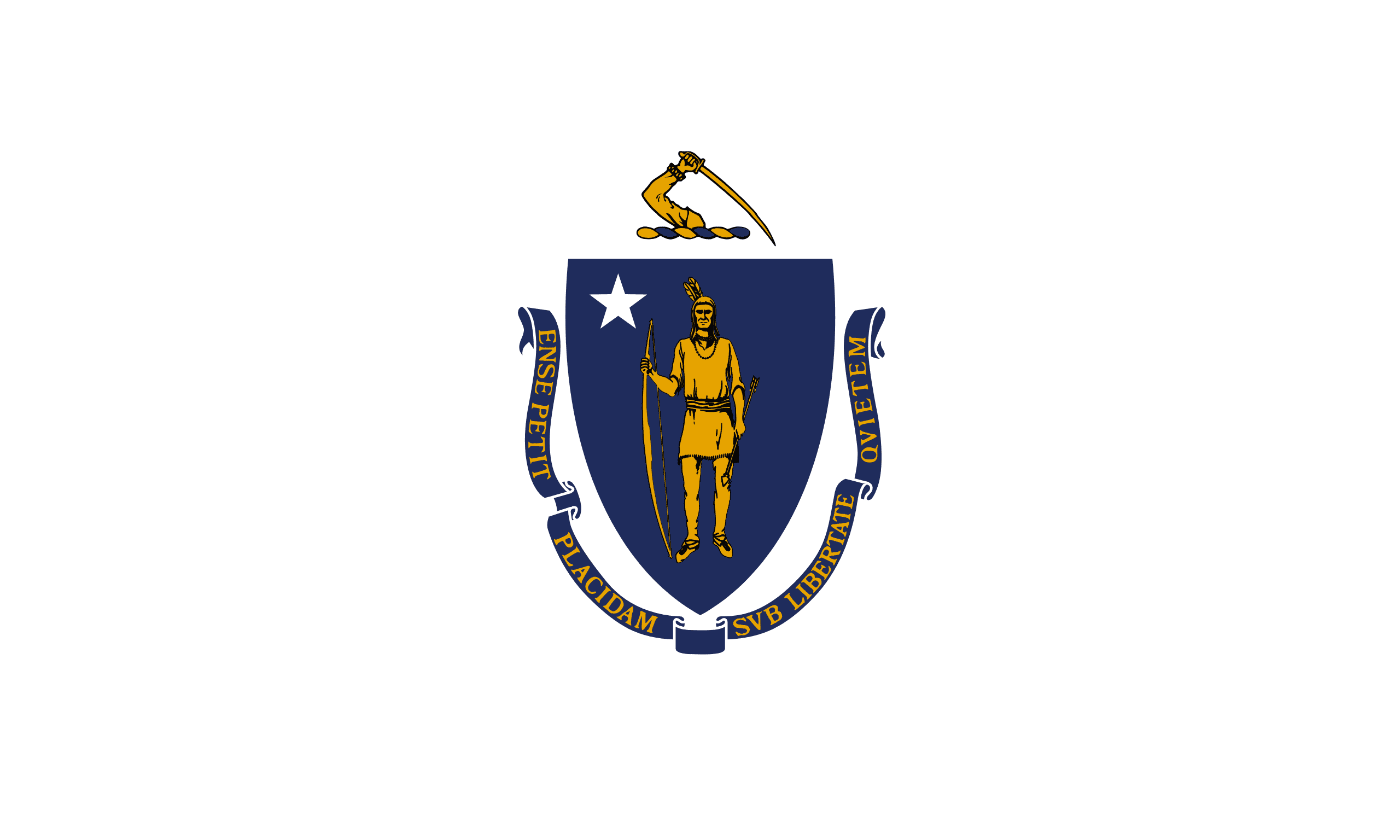
Boston University is located in Massachusetts
Massachusetts at a Glance:
Top Majors in Massachusetts:
Top Incentives in Massachusetts:
- MASSGrant: Up to $3,100 annually
- John and Abigail Adams Scholarship: Full tuition at state institutions
- Gilbert Matching Student Grant: Up to $2,500 annually
Top Career Pathways in Massachusetts:
- Entry Level: Research Associate ($65,000)
- Mid Level: Project Manager ($110,000)
- Senior Level: Research Director ($180,000+)
- Required Education: BS Biotechnology
- Certifications: PMP, Six Sigma, Quality Systems
- Entry Level: Software Engineer ($85,000)
- Mid Level: Senior Developer ($135,000)
- Senior Level: Technical Director ($190,000+)
- Required Education: BS Computer Science
- Certifications: AWS, Azure, Security+
- Entry Level: Clinical Innovation Specialist ($70,000)
- Mid Level: Innovation Manager ($120,000)
- Senior Level: Innovation Director ($175,000+)
- Required Education: BS Healthcare Administration
- Certifications: ACHE, PMP, CPHIMS