
About Wilmington College
Benefit from the flexibility of an online degree. Click on degree options to learn more.
Read More ↓ Show Less ↑
Accreditation & Licensing
Wilmington College is accredited by:
Higher Learning Commission (HLC)
Type:
4-year, Private not-for-profitHighest Level Offered:
Master's degreeReligious Affiliation:
FriendsGraduate Enrollment:
52Fully Online Graduate Students:
37%Median Debt After Graduation (4-Year Degree):
$24,208Average Undergraduates Receiving Aid:
98%Per Undergraduate Average Aid Award:
$20,356Yellow Ribbon Program:
YesCredit for Military Training:
YesWilmington College helps students keep moving through tough terms. Classes and labs are small. Professors are easy to reach outside class. That support matters when work is hard and hands-on.
When a test or project does not go well, students can get help quickly and get back on track. Programs start major courses early and include lab work along the way. The path to a degree is challenging but practical, with steady guidance from faculty.
Cost, aid, and transfer credits can differ by student. Even so, one clear strength is access to professors and timely help when classes get intense.
Support is a real strength at Wilmington College. Professors help students in and out of class. They make time to meet when work gets hard. They also reach out when grades start to slip, so students get help early.
Small classes and labs make that support easier to use. Students get quick answers and steady contact with instructors. A graduation event had issues with crowding and heat, but daily academic support is the stronger part of student life.
Online classes here fit students who want clear structure. The school’s style is rigorous and practical. Courses are challenging, with applied work and steady expectations.
Instructors are easy to reach for help. Professors meet outside class when needed. They also step in when grades start to slip. That support helps students keep pace in online classes.
Classes at Wilmington College are challenging from the start. Students begin major content in the first semester. The teaching style is practical, not just theory. Hands-on labs and real-world application are central parts of coursework.
Small classes and labs make it easier to know professors and classmates, ask questions, and get help quickly. Professors stay available beyond class, which supports the pace when work gets tough. The academic experience is the school’s clearest strength: close faculty contact, applied learning, and consistent rigor. Weekend social energy is quieter, with many students leaving campus, so the strongest day-to-day value is in classes, teaching access, and academic structure.
Wilmington College is strongest in the classroom. Classes are small. Labs are small too. Professors are easy to reach.
Help continues outside class. Faculty step in when work slips. Coursework is very challenging. It is also practical.
Hands-on labs and real-world application are common. Students start major content early. This creates a focused academic pace. Weekend social energy is quieter.
Many students leave on weekends. Dorm and food quality feel average. One commencement event had major logistics problems. Still, the core read is clear: close faculty contact and applied, rigorous learning.
Wilmington College is strongest in the classroom. Classes are small. Labs are small too. Professors are easy to reach.
Help continues outside class. Faculty step in when work slips. Coursework is very challenging. It is also practical.
Hands-on labs and real-world application are common. Students start major content early. This creates a focused academic pace. Weekend social energy is quieter.
Many students leave on weekends. Dorm and food quality feel average. One commencement event had major logistics problems. Still, the core read is clear: close faculty contact and applied, rigorous learning.

Online Programs offered by Wilmington College
All Programs
Business
Frequently Asked Questions About Wilmington College
Is Wilmington College accredited?
Yes. Wilmington College is institutionally accredited by Higher Learning Commission.
How many online programs does Wilmington College offer?
Wilmington College offers 6 online programs currently listed on GetEducated.
What degree levels does Wilmington College offer?
Wilmington College offers both bachelor's and master's level programs.
How should students contact admissions at Wilmington College?
Ready to connect? Check Admission Details to get admissions, tuition, and timeline details directly from the school.
Is Wilmington College expensive, and what are the tuition costs?
Roughly speaking, Wilmington College falls into GetEducated’s $$ tuition tier, which points to a mid tuition range.
How quickly can I enroll at Wilmington College?
Enrollment at any school can be a quick process; if all required admission requirements are met. This is where students can get hung up and slow down the process by taking too long to gather required documentation.
What should transfer students ask Wilmington College first?
The first thing you must do is order your transcripts from any previous school you attended and have them provided to the new school immediately with the hopes of receiving an unofficial transfer credit evaluation quickly. In an ideal world, students would have an official transfer credit evaluation done prior to committing to enrollment at any school; however with the vast majority of schools, official transfer credit evaluations happen after you are already enrolled, typically in the first semester.
Is Wilmington College military friendly?
Wilmington College shows Yellow Ribbon support. Check Yellow Ribbon eligibility before you apply, since program-level benefits can vary.
How can students request information from Wilmington College through GetEducated?
Comparing schools right now? Request Information to get admissions, tuition, and start-date details sent directly to you.
What documents are most commonly required for Wilmington College applications?
Most listed programs ask for Official High School Transcript/GED Score, Official College Transcript(s), Recommendation/Reference Letter(s), and Statement of Purpose/Intent. Getting these ready early can keep the application process moving.
Does Wilmington College accept life experience credit?
Wilmington College accepts life experience credit, but qualifying can be harder than expected and fees may still apply. Check Transfer Options to confirm what applies to your program.
Are Wilmington College programs fully online or mixed?
Wilmington College programs are primarily listed as 100% Online, which can help students screen for schedule fit before applying.
Are any admission tests required for Wilmington College programs?
One recurring admissions-test item is Proof of English Language Proficiency (International Students). Students should confirm whether it applies to their specific program.
Do any Wilmington College programs have state authorization limitations?
State authorization restrictions are not prominent across available programs, but students should still confirm eligibility for their state. Check State Eligibility before applying to confirm whether your program is available where you live.
How often can students start at Wilmington College?
Start times per year typically range from 3-6 for most schools. For Wilmington College, students should confirm the next available start date for their specific program before applying.
How should working adults compare Wilmington College programs?
Working adults should confirm program format, total cost, timeline, and application requirements before choosing a path.
What should students compare before choosing a Wilmington College program?
Students should compare accreditation fit, program format, application requirements, total cost, and whether the timeline works with their schedule.
Geographic and Educational Overview
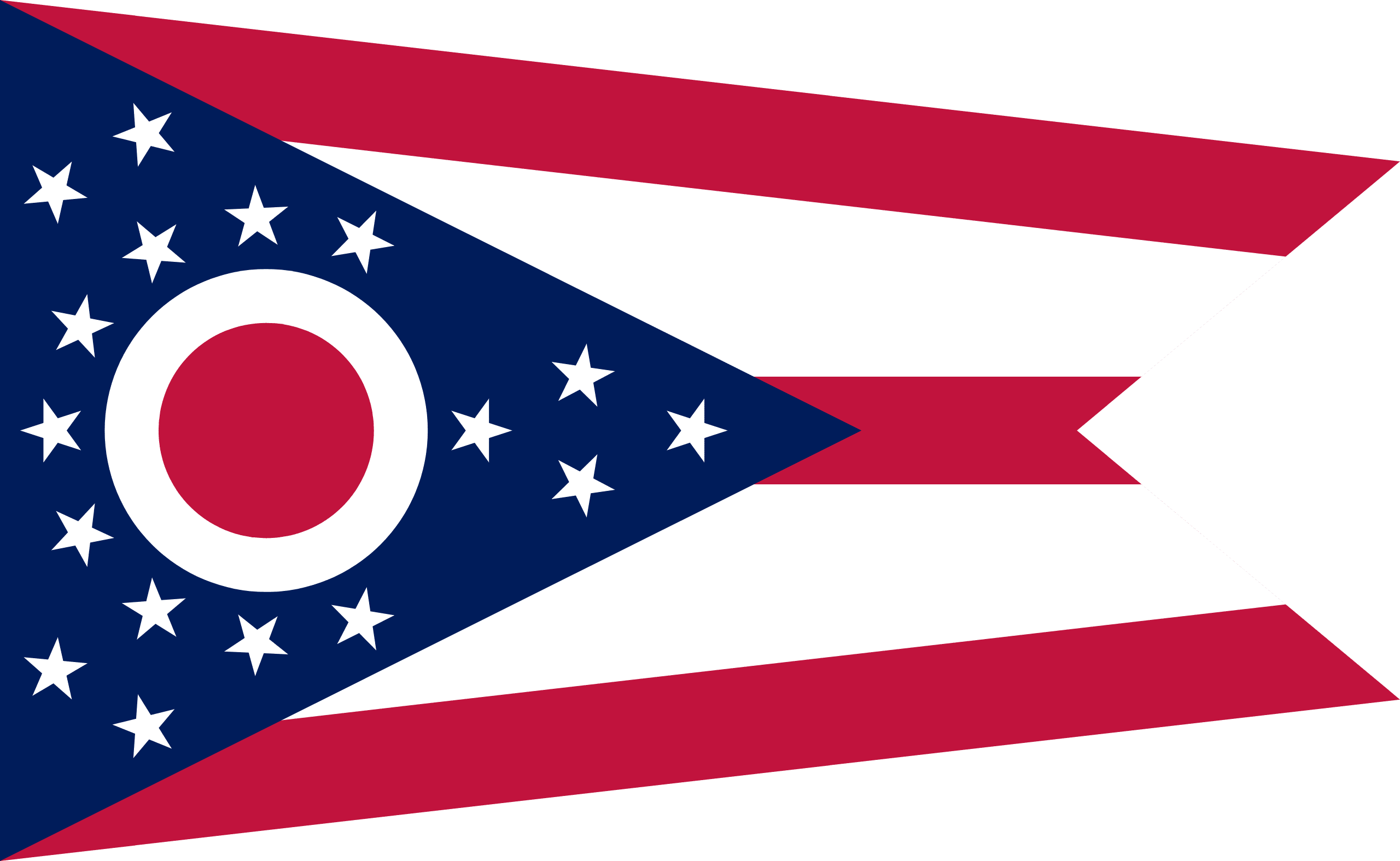
Wilmington College is located in Ohio
Ohio at a Glance:
Top Majors in Ohio:
Top Incentives in Ohio:
- Ohio College Opportunity Grant: Up to $3,500 annually
- Choose Ohio First Scholarship: Varies by program
- Ohio War Orphans Scholarship: Up to 100% tuition coverage
Top Career Pathways in Ohio:
- Entry Level: Process Engineer ($65,000)
- Mid Level: Senior Engineer ($95,000)
- Senior Level: Engineering Director ($150,000+)
- Required Education: BS Engineering
- Certifications: PE, Six Sigma
- Entry Level: Clinical Innovation Specialist ($70,000)
- Mid Level: Innovation Manager ($105,000)
- Senior Level: Healthcare Director ($160,000+)
- Required Education: BS Healthcare Administration
- Certifications: ACHE, CPHIMS
- Entry Level: Software Engineer ($70,000)
- Mid Level: Senior Developer ($110,000)
- Senior Level: Technical Director ($150,000+)
- Required Education: BS Computer Science
- Certifications: AWS, Azure