
About Emory University
Emory University is a private, not-for-profit institution hosting a diverse and engaging intellectual community of lifelong learners. Bachelor’s, master’s and doctorate degrees are offered, along with certificate programs. With highly funded research programs, Emory succeeds in making innovative contributions to society along with its high-quality liberal arts and professional programs.
Emory University online offers opportunities to nontraditional students and working adult students to earn degrees in a flexible, convenient format. Online subjects include law, business, healthcare, ministry, and more. All distance learning classes are instructor-led, lending students a personalized experience. With a built-in collaborative model of learning, online degrees host a lively connection with peers and faculty.
Qualities of online learning with EU:
- Asynchronous courses
- Completely online and hybrid formats
- Guidance from academic experts and prominent alumni
Read More ↓ Show Less ↑
Accreditation & Licensing
Emory University is accredited by:
Southern Association of Colleges and Schools Commission on Colleges (SACSCOC)
Type:
4-year, Private not-for-profitHighest Level Offered:
Doctor's degreeReligious Affiliation:
United MethodistGraduate Enrollment:
8,384Fully Online Graduate Students:
6%Median Debt After Graduation (4-Year Degree):
$18,250Average Undergraduates Receiving Aid:
53%Per Undergraduate Average Aid Award:
$51,142Yellow Ribbon Program:
YesEmory moves at a fast, demanding pace. Classes can be tough, especially in pre-health and pre-business tracks. Students often need many hours of study outside class. A steady course plan matters.
Taking too many heavy classes at once can make it harder to stay on track. Cost is also part of the picture. Tuition is listed at $64,280 per year, and housing can add a lot. Funding can vary by department across the university.
Even so, many students are drawn to Emory’s strong academics. The value is best for students who want an intense path and can keep that pace each term.
At Emory, students can find academic help without much trouble. Professors are approachable and willing to meet when classes get hard. Free tutoring gives students another place to get clear, timely support during busy terms.
Some school offices feel less consistent. Financial aid and mental health processes can be uneven, and some students report frustration in those areas. Even so, the core learning support is strong, and students have real options when they need help.
Emory offers some programs in a hybrid format with flexible schedules. The coursework moves at a serious pace, and expectations are high. Many classes are small outside of large lecture courses.
Professors are approachable and ready to help. This setup works well for online learners who want strong academics and regular contact with instructors.
Classes at Emory are challenging, with regular weekly work and clear expectations. Pre-health and pre-business tracks often feel the most demanding. The pace is steady and rewards students who keep up each week.
Beyond large lectures, many classes are smaller and built for discussion. Professors are approachable, welcome student ideas, and offer help when needed. Overall, teaching feels personal while still pushing students to do their best.
Emory is a rigorous school with high standards. Classes move fast, and the workload can be heavy. This is especially true in pre-health and pre-business tracks. At the same time, teaching is a real strength.
Many classes are small outside large lectures, so students get more direct support. Professors are approachable and willing to help. Free tutoring gives students extra help when courses get tough. Career preparation is strong, with solid guidance and useful opportunities.
Students still need to put in effort to build connections and make the most of those options. Cost can be a challenge for some families, and housing is often expensive. Some departments have more resources than others. Day-to-day administrative support can feel uneven at times, especially in financial aid and mental health services.
Emory is a rigorous school with high standards. Classes move fast, and the workload can be heavy. This is especially true in pre-health and pre-business tracks. At the same time, teaching is a real strength.
Many classes are small outside large lectures, so students get more direct support. Professors are approachable and willing to help. Free tutoring gives students extra help when courses get tough. Career preparation is strong, with solid guidance and useful opportunities.
Students still need to put in effort to build connections and make the most of those options. Cost can be a challenge for some families, and housing is often expensive. Some departments have more resources than others. Day-to-day administrative support can feel uneven at times, especially in financial aid and mental health services.

Online Programs offered by Emory University
All Programs
Religion & Philosophy
Frequently Asked Questions About Emory University
Is Emory University accredited?
Yes. Emory University is institutionally accredited by Southern Association of Colleges and Schools Commission on Colleges.
How many online programs does Emory University offer?
Emory University offers 1 online program currently listed on GetEducated.
What degree levels does Emory University offer?
Emory University is focused on doctoral-level programs.
How should students contact admissions at Emory University?
Ready to connect? Check Admission Details to get admissions, tuition, and timeline details directly from the school.
Is Emory University expensive, and what are the tuition costs?
Roughly speaking, Emory University falls into GetEducated’s $$$ tuition tier, which points to a higher tuition range.
How quickly can I enroll at Emory University?
Enrollment at any school can be a quick process; if all required admission requirements are met. This is where students can get hung up and slow down the process by taking too long to gather required documentation.
What should transfer students ask Emory University first?
The first thing you must do is order your transcripts from any previous school you attended and have them provided to the new school immediately with the hopes of receiving an unofficial transfer credit evaluation quickly. In an ideal world, students would have an official transfer credit evaluation done prior to committing to enrollment at any school; however with the vast majority of schools, official transfer credit evaluations happen after you are already enrolled, typically in the first semester.
Is Emory University military friendly?
Emory University shows Yellow Ribbon support. Check Yellow Ribbon eligibility before you apply, since program-level benefits can vary.
How can students request information from Emory University through GetEducated?
Comparing schools right now? Request Information to get admissions, tuition, and start-date details sent directly to you.
What documents are most commonly required for Emory University applications?
Most listed programs ask for Official College Transcript(s) and Additional Materials May Be Required. Getting these ready early can keep the application process moving.
Does Emory University accept life experience credit?
Emory University does not show a school-wide life experience credit policy. Check Transfer Options to confirm transfer-credit options for your specific program.
Are Emory University programs fully online or mixed?
Emory University programs are primarily listed as Mostly Online, which can help students screen for schedule fit before applying.
Do in-state and out-of-state tuition totals differ at Emory University?
For programs with both totals published, in-state and out-of-state tuition totals are typically the same.
Do any Emory University programs have state authorization limitations?
State authorization restrictions are not prominent across available programs, but students should still confirm eligibility for their state. Check State Eligibility before applying to confirm whether your program is available where you live.
How often can students start at Emory University?
Start times per year typically range from 3-6 for most schools. For Emory University, students should confirm the next available start date for their specific program before applying.
How should working adults compare Emory University programs?
Working adults should confirm program format, total cost, timeline, and application requirements before choosing a path.
What should students compare before choosing a Emory University program?
Students should compare accreditation fit, program format, application requirements, total cost, and whether the timeline works with their schedule.
Geographic and Educational Overview
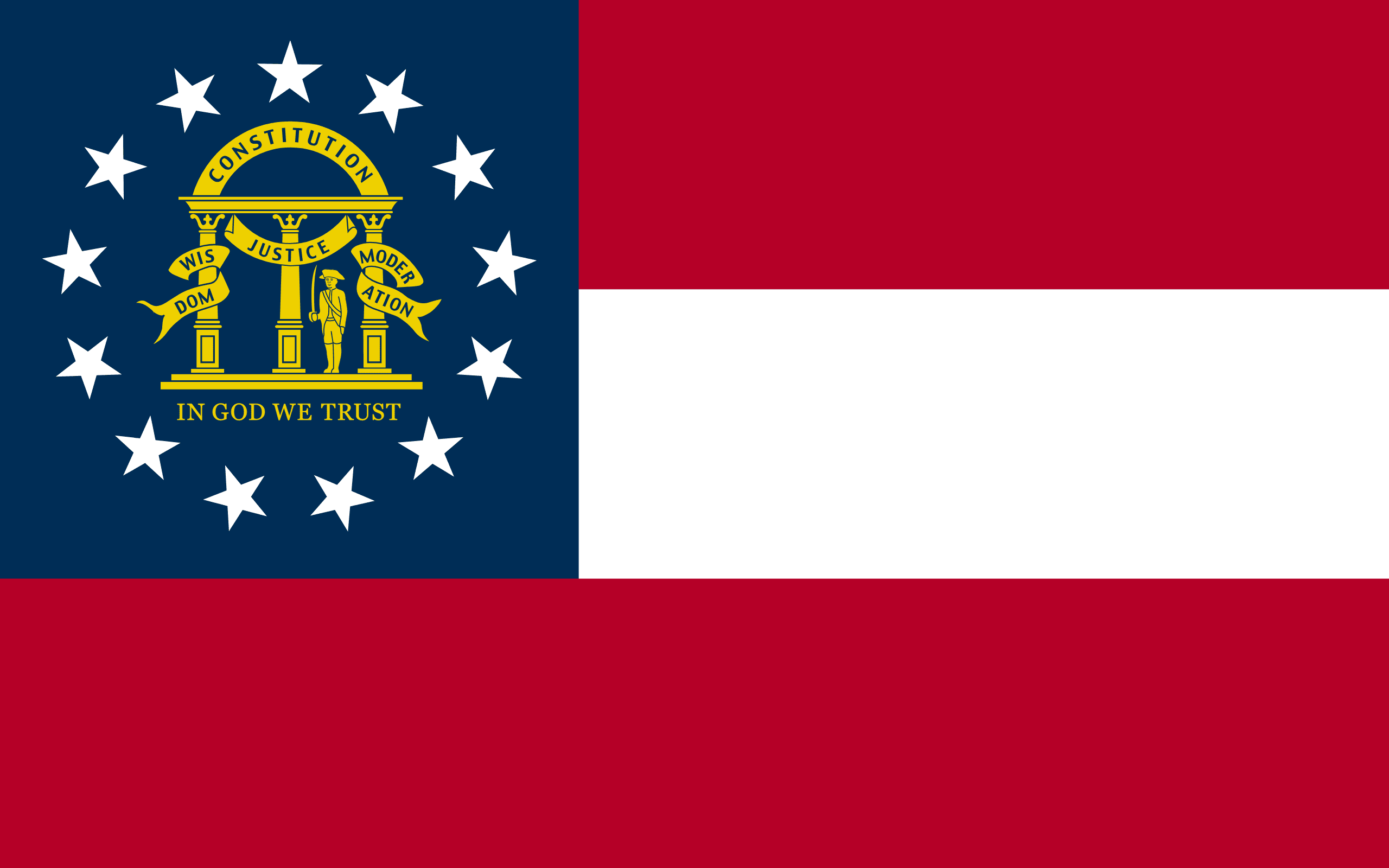
Emory University is located in Georgia
Georgia at a Glance:
Top Majors in Georgia:
Top Incentives in Georgia:
- HOPE Scholarship: Up to full tuition at public institutions
- Zell Miller Scholarship: Full tuition at public institutions
- HOPE Career Grant: Additional funding for specific programs
Top Career Pathways in Georgia:
- Entry Level: Security Analyst ($75,000)
- Mid Level: Security Engineer ($115,000)
- Senior Level: Security Director ($160,000+)
- Required Education: BS Cybersecurity
- Certifications: Security+, CISSP, CEH
- Entry Level: Logistics Coordinator ($60,000)
- Mid Level: Supply Chain Manager ($95,000)
- Senior Level: Operations Director ($140,000+)
- Required Education: BS Supply Chain Management
- Certifications: APICS, CSCP, PMP
- Entry Level: Production Assistant ($45,000)
- Mid Level: Production Manager ($85,000)
- Senior Level: Production Director ($130,000+)
- Required Education: BS Digital Media
- Certifications: Adobe Certified, PMI-PMP