
About Belmont Abbey College
You can partake in a liberal arts education that glorifies God at Belmont Abbey College. This respected four-year private, not-for-profit institution is guided by the Catholic intellectual tradition and the Benedictine spirit of prayer and learning. The college strongly emphasizes such values as:
- Faith
- Education
- Real-world experience
The college prioritizes an affordable private education that leads students toward fulfilling God’s purpose for their lives. To bring their programs to more people, Abbey Online brings its Catholic liberal arts education to students needing flexibility without foregoing quality through its distance education programs. The dedicated faculty and staff empower each student to:
- Lead lives of integrity
- Succeed professionally
- Become responsible citizens
- Be a blessing to themselves and others
Read More ↓ Show Less ↑
Accreditation & Licensing
Belmont Abbey College is accredited by:
Southern Association of Colleges and Schools Commission on Colleges (SACSCOC)
Type:
4-year, Private not-for-profitHighest Level Offered:
Master's degreeReligious Affiliation:
Roman CatholicGraduate Enrollment:
113Fully Online Graduate Students:
100%Median Debt After Graduation (4-Year Degree):
$26,000Average Undergraduates Receiving Aid:
91%Per Undergraduate Average Aid Award:
$8,759Yellow Ribbon Program:
YesCredit for Military Training:
YesBelmont Abbey College helps students finish by keeping classes small and support close. Professors know students by name and meet with them one on one. That makes it easier to get help early and stay on track in each course.
The school’s strength is the learning experience, not low cost. Students get personal attention, committed teaching, and a clear liberal arts mission. It is a strong fit for learners who want steady faculty contact, a clear plan, and a consistent pace to finish on time.
At Belmont Abbey College, support is strongest in class. Professors are easy to reach, and small classes give students real one-on-one time. Help feels quick and personal, not distant or formal.
If a student falls behind, one-on-one tutoring is part of the plan. Day to day, faculty stay involved and keep close track of student progress. Communication can feel less steady in some offices, but the academic core stays strong and dependable.
Belmont Abbey runs on close instructor contact. Online learners who want direct support may like that. Professors are approachable and engaged. Small classes keep interaction personal.
Help is easier to reach when classes stay small. The school also has a clear mission-centered culture. That shapes class tone and daily expectations. The pace fits students who like structure. It works best for learners who want steady instructor connection.
At Belmont Abbey, learning is personal. Classes are small, so students know their professors. Faculty are easy to reach and deeply involved in teaching. Students are seen as people, not numbers.
The core curriculum is broad and challenging, with a strong liberal arts focus. The college’s Catholic and Benedictine mission is part of daily class life. This is a good fit for students who want close faculty support, clear expectations, and a learning community with shared values.
Belmont Abbey offers a personal learning experience in a close-knit college community. Class sizes are small, and professors are easy to reach. Students get real one-on-one support in and out of class. The liberal arts core is a clear strength, and faith and mission are part of daily life.
Life outside class can feel mixed for some students. Food quality gets criticism, and some housing and building issues have been raised. Social life is usually quieter, with athletics and some party activity still visible. Overall, Belmont Abbey is a strong choice for students who want close faculty support and a mission-centered culture.
Belmont Abbey offers a personal learning experience in a close-knit college community. Class sizes are small, and professors are easy to reach. Students get real one-on-one support in and out of class. The liberal arts core is a clear strength, and faith and mission are part of daily life.
Life outside class can feel mixed for some students. Food quality gets criticism, and some housing and building issues have been raised. Social life is usually quieter, with athletics and some party activity still visible. Overall, Belmont Abbey is a strong choice for students who want close faculty support and a mission-centered culture.

Online Programs offered by Belmont Abbey College
All Programs
Art & Liberal Arts
Business
Computer Science & IT

Criminal Justice, Safety & Law
Healthcare
Filters
Frequently Asked Questions About Belmont Abbey College
Is Belmont Abbey College accredited?
Yes. Belmont Abbey College is institutionally accredited by Southern Association of Colleges and Schools Commission on Colleges.
How many online programs does Belmont Abbey College offer?
Belmont Abbey College offers 23 online programs currently listed on GetEducated.
What degree levels does Belmont Abbey College offer?
Belmont Abbey College offers both bachelor's and master's level programs.
How should students contact admissions at Belmont Abbey College?
Ready to connect? Check Admission Details to get admissions, tuition, and timeline details directly from the school.
Is Belmont Abbey College expensive, and what are the tuition costs?
Roughly speaking, Belmont Abbey College falls into GetEducated’s $$ tuition tier, which points to a mid tuition range.
How quickly can I enroll at Belmont Abbey College?
Enrollment at any school can be a quick process; if all required admission requirements are met. This is where students can get hung up and slow down the process by taking too long to gather required documentation.
What should transfer students ask Belmont Abbey College first?
The first thing you must do is order your transcripts from any previous school you attended and have them provided to the new school immediately with the hopes of receiving an unofficial transfer credit evaluation quickly. In an ideal world, students would have an official transfer credit evaluation done prior to committing to enrollment at any school; however with the vast majority of schools, official transfer credit evaluations happen after you are already enrolled, typically in the first semester.
What GPA do most Belmont Abbey College programs require?
GPA requirements typically range from 2.0 to 3.0, and 3.0 appears most often.
Is Belmont Abbey College military friendly?
Belmont Abbey College shows Yellow Ribbon support. Check Yellow Ribbon eligibility before you apply, since program-level benefits can vary.
How can students request information from Belmont Abbey College through GetEducated?
Comparing schools right now? Request Information to get admissions, tuition, and start-date details sent directly to you.
What documents are most commonly required for Belmont Abbey College applications?
Most listed programs ask for Official College Transcript(s), Statement of Purpose/Intent, Additional Materials May Be Required, and Official High School Transcript/GED Score. Getting these ready early can keep the application process moving.
Does Belmont Abbey College accept life experience credit?
Belmont Abbey College accepts life experience credit, but qualifying can be harder than expected and fees may still apply. Check Transfer Options to confirm what applies to your program.
Are Belmont Abbey College programs fully online or mixed?
Belmont Abbey College includes 100% Online and Mostly Online options, so students should check the format of their specific program before applying.
What kinds of online programs does Belmont Abbey College offer?
Belmont Abbey College has online program options in areas such as Business, Computer Science & IT, Nursing, and Art & Liberal Arts; start with the field that best matches your career goal, then compare cost, format, and admissions requirements. Compare Programs to get program, admissions, and cost details before applying.
Are any admission tests required for Belmont Abbey College programs?
One recurring admissions-test item is Proof of English Language Proficiency (International Students). Students should confirm whether it applies to their specific program.
Do in-state and out-of-state tuition totals differ at Belmont Abbey College?
For programs with both totals published, in-state and out-of-state tuition totals are typically the same.
Do any Belmont Abbey College programs have state authorization limitations?
State authorization restrictions are not prominent across available programs, but students should still confirm eligibility for their state. Check State Eligibility before applying to confirm whether your program is available where you live.
How often can students start at Belmont Abbey College?
Start times per year typically range from 3-6 for most schools. For Belmont Abbey College, students should confirm the next available start date for their specific program before applying.
How should working adults compare Belmont Abbey College programs?
Working adults should confirm program format, total cost, timeline, and application requirements before choosing a path.
What should students compare before choosing a Belmont Abbey College program?
Students should compare accreditation fit, program format, application requirements, total cost, and whether the timeline works with their schedule.
Featured Ranking Reports
Belmont Abbey College is featured in 1 of our ranking reports!
GetEducated continually compiles custom ranking reports to give you a complete snapshot of schools, degrees, tuition, and a detailed report on thousands of job categories throughout the entire education industry.
We provide these comprehensive ranking reports to you, for free. Click on any report below to learn more about how we ranked this school.

Geographic and Educational Overview
Belmont Abbey College is located in North Carolina
North Carolina at a Glance:
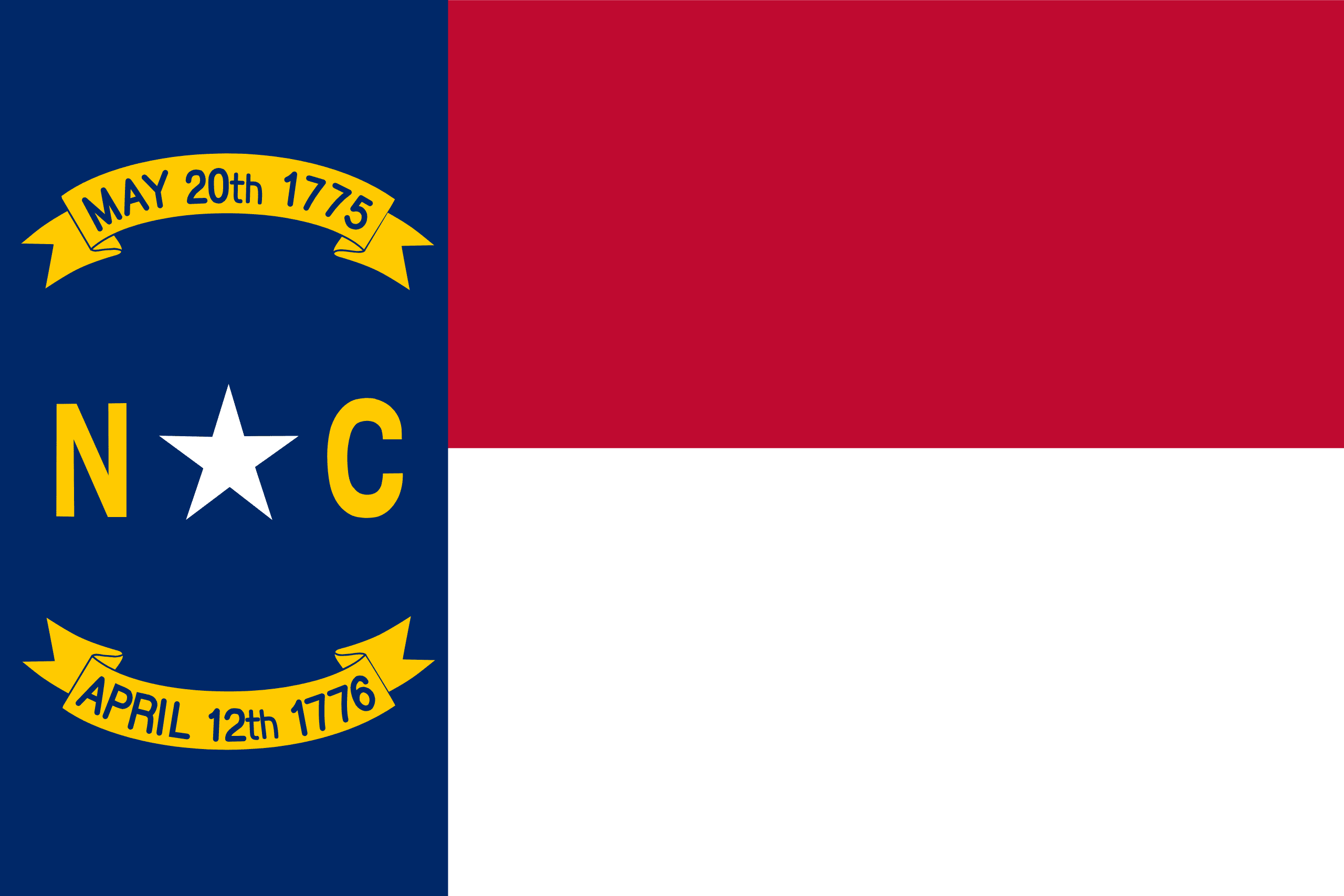
Top Majors in North Carolina:
Top Incentives in North Carolina:
- NC Need Based Scholarship: Up to $4,200 annually
- NC Education Lottery Scholarship: Up to $3,000 annually
- NC Community College Grant: Up to $2,800 annually
Top Career Pathways in North Carolina:
- Entry Level: Software Engineer ($75,000)
- Mid Level: Senior Developer ($115,000)
- Senior Level: Technical Director ($160,000+)
- Required Education: BS Computer Science
- Certifications: AWS, Security+, Azure
- Entry Level: Research Associate ($60,000)
- Mid Level: Senior Researcher ($95,000)
- Senior Level: Research Director ($145,000+)
- Required Education: BS Biotechnology
- Certifications: PMP, Quality Systems
- Entry Level: Clinic Manager ($65,000)
- Mid Level: Healthcare Administrator ($95,000)
- Senior Level: Hospital Director ($150,000+)
- Required Education: BS Healthcare Administration
- Certifications: ACHE, CMPE