

Key Takeaways:
- History majors possess valuable research and analytical skills that open doors to high-growth, well-paying careers beyond teaching, including roles in healthcare, government, and technology.
- Earning targeted certificates in areas like compliance or data analysis can significantly boost salary potential and speed up career transitions for history graduates.
- Accredited online programs and stackable credentials offer flexible, affordable pathways for adult learners to advance or change careers, with tools available to compare thousands of options tailored to individual needs.
History graduates work in industries ranging from healthcare to technology, with strong long-term earning potential. Lucrative career opportunities also exist for history majors across education, government, law, and business sectors. Your research, writing, and analysis skills open doors to accredited online history programs that value critical thinking and communication.
The good news is you don’t need to start over to find the best jobs for history majors. Adult learners can pair their degree with targeted certificates or supplemental online training to access well-paid, flexible roles. We’ll explore top career paths, non-teaching options, transition steps, and salary expectations to help you make confident choices. GetEducated’s independent tools help you compare thousands of accredited online programs that can boost your career prospects.
Top Careers for History Majors With Growth and Good Pay
A history degree teaches you to research, analyze complex information, and communicate findings clearly. These research and analytical abilities translate directly into some of the highest-paying occupations for history degree holders across government, healthcare, technology, and nonprofit sectors. According to Bureau of Labor Statistics data, the median annual wage for history degree holders varies widely by occupation, with management analysts earning $95,290 and legal occupations averaging $86,880.
GetEducated's Picks
- King University Bachelor of Science in History
- Eastern Oregon University Bachelor of Arts / Bachelor of Science in History
- Southwest Minnesota State University Bachelor of Arts in History
High-Growth Roles That Value Historical Training
Policy analysts and compliance specialists represent two of the strongest career paths for history graduates. These roles leverage your research competencies and offer solid compensation, with policy analysts earning median salaries of $60,000–$80,000 annually. UX researchers in tech companies can earn $70,000–$120,000, while communications managers average $65,000–$95,000. Intelligence analysts and archival managers also provide stable growth, particularly in government and healthcare sectors where your analytical expertise directly supports organizational goals.
Healthcare Career Pivots for History Majors
Health information management and clinical compliance programs combine your research background with healthcare knowledge gained through flexible online certificate programs. Community health outreach coordinators earn $35,000–$55,000 while building valuable experience for advancement. Healthcare communications specialists can reach $50,000–$75,000 with the right combination of historical training and health industry credentials.Strategic Certificates That Boost Earning Power
Adding targeted credentials to your history degree significantly improves both salary potential and hiring odds. Certificates in data analysis and project management programs are particularly valuable because they address employer needs for analytical thinking combined with technical competencies. Liberal arts graduates who explore complementary career paths and stack these credentials see starting salary increases of $5,000–$15,000 annually and faster career progression. These programs, often completed part-time in 3–9 months online, bridge the gap between your existing expertise and current employer demands while accommodating work and family responsibilities.
Best Non-Teaching Jobs for History Majors
Many history graduates worry they’re limited to teaching, but the career landscape is much broader. Your research, analysis, and communication skills translate directly into growing fields like compliance, policy work, and digital research.
The Bureau of Labor Statistics shows that history majors work across management, legal, business operations, and research roles. Non-teaching careers for history majors often offer better work-life balance and remote options than traditional classroom positions. Here are five high-demand roles to consider:
- Compliance specialists investigate regulations and document findings, with a median pay of around $78,420 annually and steady 3% growth projected.
- Records analysts and archivists organize information systems for healthcare, government, and corporations, often with remote flexibility for archivists.
- Grant writers research funding opportunities and craft proposals for nonprofit organizations, hospitals, and research institutions.
- User experience researchers study how people interact with websites and apps, using the same investigative methods you learned analyzing historical sources and human behavior.
- Policy associates analyze legislation and write reports for government agencies, think tanks, and advocacy organizations.
These roles reward the same skills you’ve already developed while offering paths into healthcare administration, government contracting, and mission-driven organizations. Adding a short certificate in compliance or data analysis can fast-track your transition. Many professionals also pursue affordable online public administration degrees to strengthen their qualifications for policy and government roles.
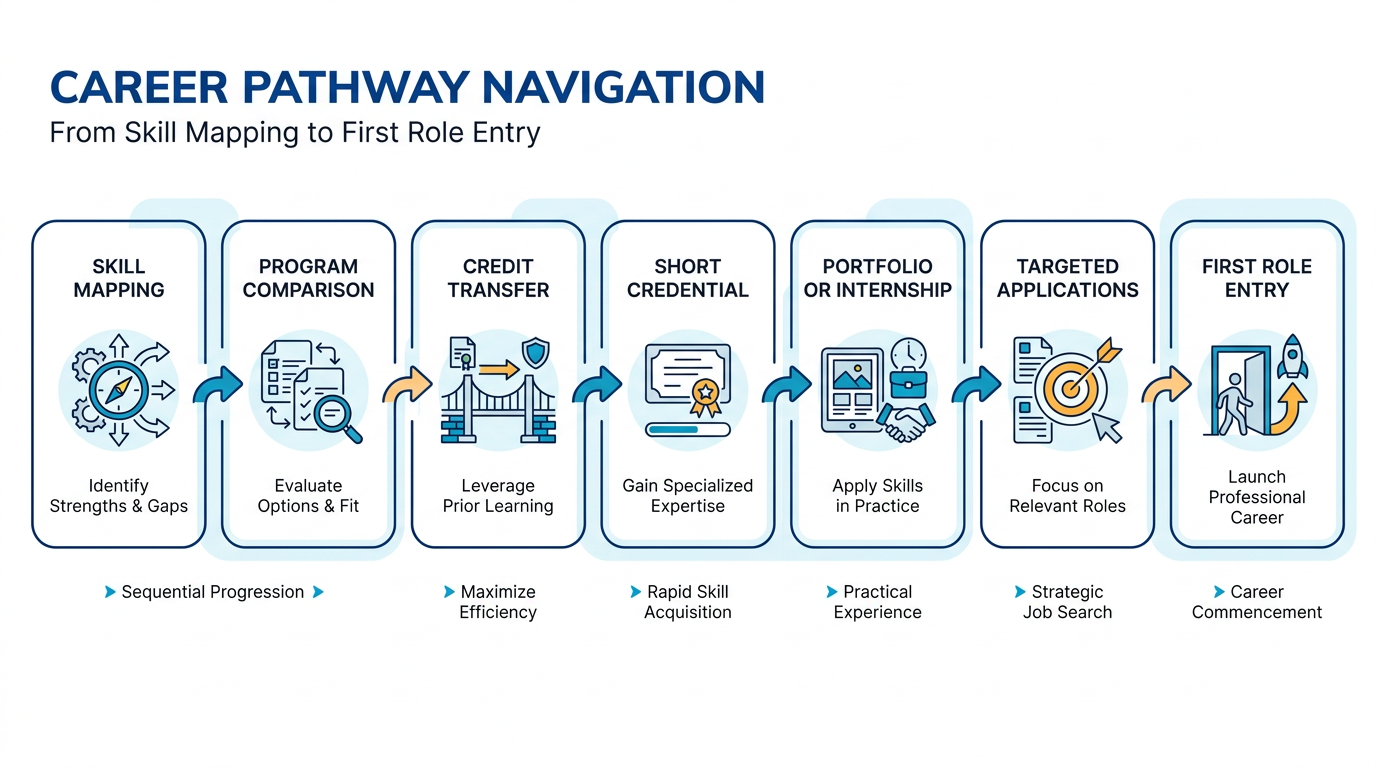
How To Get Started: Step-By-Step Pathways From School To Hire
Breaking into a new career field requires a clear roadmap. What’s encouraging is that history majors already possess valuable research, writing, and analytical skills that employers need.
Your coursework in historical analysis translates directly into workplace competencies. According to the American Historical Association, history graduates work across diverse fields because they can pull together information from different sources and explain it clearly. The Bureau of Labor Statistics shows that history degree holders work in management, healthcare, education, and government roles.
Here’s your action plan:
- Translate your skills into employer language: research becomes “data analysis,” writing becomes “clear communication with colleagues and clients.”
- Complete a targeted certificate in compliance or health information management within 6–12 weeks.
- Build one portfolio project weekly for seven weeks, showcasing real-world applications of your abilities.
- Pursue a short virtual internship through platforms like VolunteerMatch or Idealist to demonstrate skills in your target industry.
- Apply to accredited online history degree programs that offer stackable credentials and flexible scheduling options.
Adding the right certificates can help you get hired faster while maintaining the work-life balance you need. Start with one small step today and build momentum from there.
FAQs: Pay, Remote Options, and Online Degrees for History Majors
Career-changers often worry about earning potential and schedule flexibility when considering a history degree. Working parents and retail professionals face unique timing and financial pressures that make these practical concerns especially important.
What are the highest-paying jobs for history majors, and which add-on credentials raise pay fastest?
Policy analysts earn median salaries of $126,140, while historians earn $63,940 annually, according to Bureau of Labor Statistics data. Adding certificates in compliance or data analysis can increase starting salaries by 15–25% and improve interview callback rates by approximately 30%.
Are there remote or flexible jobs available for history majors?
Yes, many history-related roles offer remote options. Government contractors and healthcare organizations frequently hire remote researchers, grant writers, and compliance specialists. Telework rates are highest in professional services and government sectors, where history majors commonly find employment.
Can I get a history degree online, and what careers does it open up?
Accredited affordable online bachelor’s degrees in history prepare graduates for diverse non-teaching roles, including museum curator, archivist, policy researcher, and healthcare administrator. Many programs offer flexible scheduling and accept transfer credits, making them ideal for working adults transitioning careers.
How do I know if an online history program is legitimate and worth my investment?
Look for regional or national accreditation, which ensures credit transferability and employer recognition. Review accreditation standards from CHEA and use independent rankings that evaluate cost, graduation rates, and student outcomes. Avoid programs that lack proper accreditation or make unrealistic promises about job placement.
What makes history majors competitive for career transitions from retail or service work?
History majors develop research, writing, and analysis skills that translate directly to professional roles. The American Historical Association reports that graduates successfully transition into policy work, grant administration, and program evaluation with 6–12 months of targeted skill building.
Choose an Accredited Path and Compare Online Programs
A history degree creates pathways to growing careers in healthcare, government, and tech when paired with targeted credentials. The research, analysis, and communication skills you build translate directly into roles like compliance specialist, grant writer, and policy analyst. Adding short certificates to your history degree can boost your earning potential while keeping your schedule flexible.
To make this transition successful, choosing the right program means verifying accreditation standards from CHEA and comparing costs, concentrations, and flexibility options. When you compare affordable online bachelor’s degrees in history, look for programs that offer stackable certificates and clear pathways to your target roles. GetEducated’s independent platform helps you review affordable online master’s degrees in history with transparent cost and program details.