

Key Takeaways:
- A structured 90-day plan that pairs accredited online training with hands-on portfolio building can make you job-ready as a patient advocate while keeping your current job.
- Flexible, accredited online programs and certificate options make patient advocacy an accessible career path for working adults, regardless of prior healthcare experience.
- Comparing program costs and accreditation up front ensures you choose a pathway that fits your schedule and long-term career goals.
Many working adults already possess transferable skills that translate directly into patient advocacy roles, where you help patients navigate complex healthcare systems. A focused 90-day plan that pairs accredited online training with hands-on portfolio building creates a clear pathway into this impactful career.
Compare flexible, affordable programs on GetEducated to find the perfect fit for your schedule and goals.
Step-by-Step Patient Advocate Roadmap for Working Adults
Working adults need a realistic timeline that fits around existing responsibilities. This 90-day plan works because it breaks career preparation into weekly 5-10-hour chunks while you keep your current job. Each phase builds specific skills employers want, from basic healthcare knowledge to hands-on patient experience through online patient advocate training and practical application.
GetEducated's Picks
- Liberty University Certificate in Health Sciences
- Purdue Global Medical Assisting Certificate
- The George Washington University Post-baccalaureate Certificate in Blood Banking
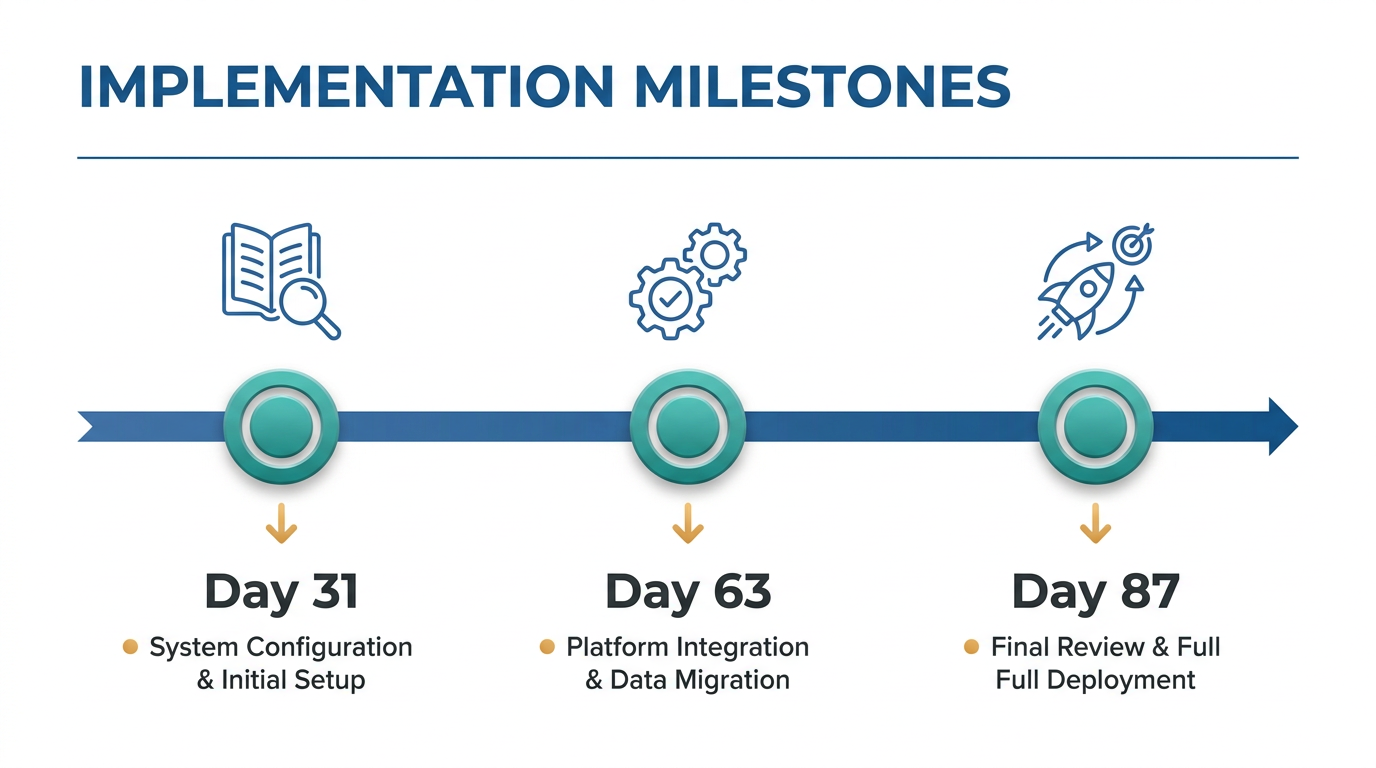
Days 1-31: Build Your Foundation
Research what patient advocates do by reading job descriptions and salary ranges. Verify accreditation for any programs using GetEducated’s filters for healthcare degrees. Complete a 4-6 hour online course in healthcare communication or patient navigation. Write a one-page reflection on your career goals and motivation.
Days 32-63: Develop Core Skills and Experience
Earn HIPAA training certification online (2-4 hours, often free through hospitals). Complete a microcredential in patient navigation or healthcare communication (8-12 hours total). Next, log 20-40 hours volunteering in a patient-facing role, such as a hospital greeter or clinic assistant, to gain real-world interaction experience.
Days 64-87: Prepare for Job Readiness
Assemble a one-page portfolio highlighting your certificates and volunteer hours, with notes on specific patient assistance examples. Request references from volunteer coordinators or course instructors. Research certification requirements and schedule an exam if it fits your budget and timeline. Begin applying for entry-level patient advocate or navigator positions.
What Education Do You Need to Become a Patient Advocate?
Patient advocacy offers multiple education pathways, making it accessible for working adults with different timelines and budgets. While some employers prefer a bachelor’s degree, others accept certificates combined with relevant experience, giving you flexibility to start where you are.
Reduce Your Education Costs with Education For Less
Before comparing degree programs, explore tuition discounts through Education For Less Inc. (EDU4Less), a 501(c)(3) nonprofit that negotiates 10-20% tuition discounts at accredited online partner schools. For working adults pursuing healthcare or advocacy programs, this can meaningfully lower the total cost of your education without compromising accreditation or program quality.
- Start with a certificate or associate degree for faster entry (6-18 months). These options typically cost less than a bachelor’s degree and focus on patient navigation and healthcare communication skills. Verify both institutional and programmatic accreditation through accredited healthcare degree databases to avoid degree mills.
- Consider a bachelor’s degree for expanded opportunities (2-4 years). According to the Bureau of Labor Statistics, health education specialists typically need a bachelor’s degree in health education or a related public health field. Degrees in social work or healthcare administration can also open doors to higher-paying positions and leadership roles.
- Choose online formats designed for working adults. Many patient advocate courses offer evening or part-time schedules designed around work commitments. Seek out options with supervised clinical rotations and mentorship components for direct patient interaction and advocacy practice.
- Understand certification pathways for career changers. The Patient Advocate Certification Board offers the Board Certified Patient Advocate (BCPA) credential, which accepts various education and experience combinations. You might qualify with a certificate plus documented advocacy hours, making certification accessible for career changers even without a four-year degree.
- Calculate total costs and timelines upfront. Compare tuition and required fees across different educational options. Some competency-based degrees let you accelerate through familiar material, potentially reducing both time and overall costs. Use transparent cost information to make decisions that fit your budget and career timeline.
Patient Advocate FAQ: Skills, Certification, and Job Search
Working adults like you often wonder about the practical requirements and flexible training options available in patient advocacy. These answers provide clear guidance on skills, credentials, and realistic timelines for career changers.
What skills are essential for success as a patient advocate?
Strong communication skills are the top employer requirement, and active listening is equally essential when working with patients navigating complex situations. You need cultural competence to work with diverse patients and emotional resilience for challenging situations. Research shows that care coordination and stakeholder collaboration are also core competencies that distinguish effective advocates.
Do you need certification to get hired as a patient advocate?
Patient advocacy doesn’t require specific national certification, but credentials can strengthen your application. The Patient Advocate Certification Board offers recognized competencies and best practices that many employers value. Some positions prefer candidates with healthcare experience or relevant degrees over specific certifications.
How can career changers train for patient advocacy online without quitting their job?
Many accredited online programs offer evening or weekend classes designed for working professionals. Certificate programs typically require 6-12 months of part-time study. Look for competency-based formats that let you progress at your own pace while maintaining your current income and family commitments.
How long does it take to become job-ready as a patient advocate?
Most career changers can become competitive candidates within 90 days with focused effort. This timeline typically includes completing foundational training and earning certifications such as HIPAA compliance, followed by volunteer experience with patient-facing organizations. Your existing customer service or healthcare background can accelerate this timeline significantly.
Where do patient advocates find employment, and what can they expect to earn?
Hospitals and insurance companies are among the largest employers of patient advocates, with various job titles like patient navigator and care coordinator. Industry research shows salaries range from $35,000-$65,000 annually, depending on location and experience. Hospital-based advocates often earn more than those in community organizations.
Compare Accredited Online Programs and Start Your 90-Day Plan
Your path to learning how to become a patient advocate starts with smart planning and verified education choices. The 31-63-87 timeline gives you structure while juggling work and family responsibilities. Schedule dedicated study blocks on your calendar today to stay committed.
Comparing multiple programs leads to better cost savings and stronger job placement rates. Verify accreditation status and shortlist two or three programs whose tuition fits your budget before applying. This approach prevents costly mistakes and speeds up your transition.
Ready to make an informed choice? GetEducated offers free, independent guidance to search accredited certificates and degree programs from accredited schools. Use the platform’s unbiased filters to compare healthcare programs by cost and format.